Introduction – When Light Meets Darkness and Your Hidden Crown Shows Up
Source: Odu Ifa Ogbe Oyeku
You can be the most overlooked person in the room and still be the next leader.
That’s not motivational fluff. That’s a warning and a promise wrapped together—exactly the kind of double-message Ogbè-Òyẹ̀kú (a major Odù Ifá, “Ifá divination sign”) likes to deliver.
Ogbè is “opening, light, expansion.” Òyẹ̀kú is “depth, endings, the dark soil.” Put them together and you get a life path where success comes… but it comes with pressure. People watch you. People envy you. And if you don’t keep your balance, your own gifts can trip you up.
This post shares a tradition-respecting view of Ogbè-Òyẹ̀kú across African and Afro-diasporic storytelling sources, with notes on where lineages differ.
Guiding myth + proverb (with translation + interpretation)
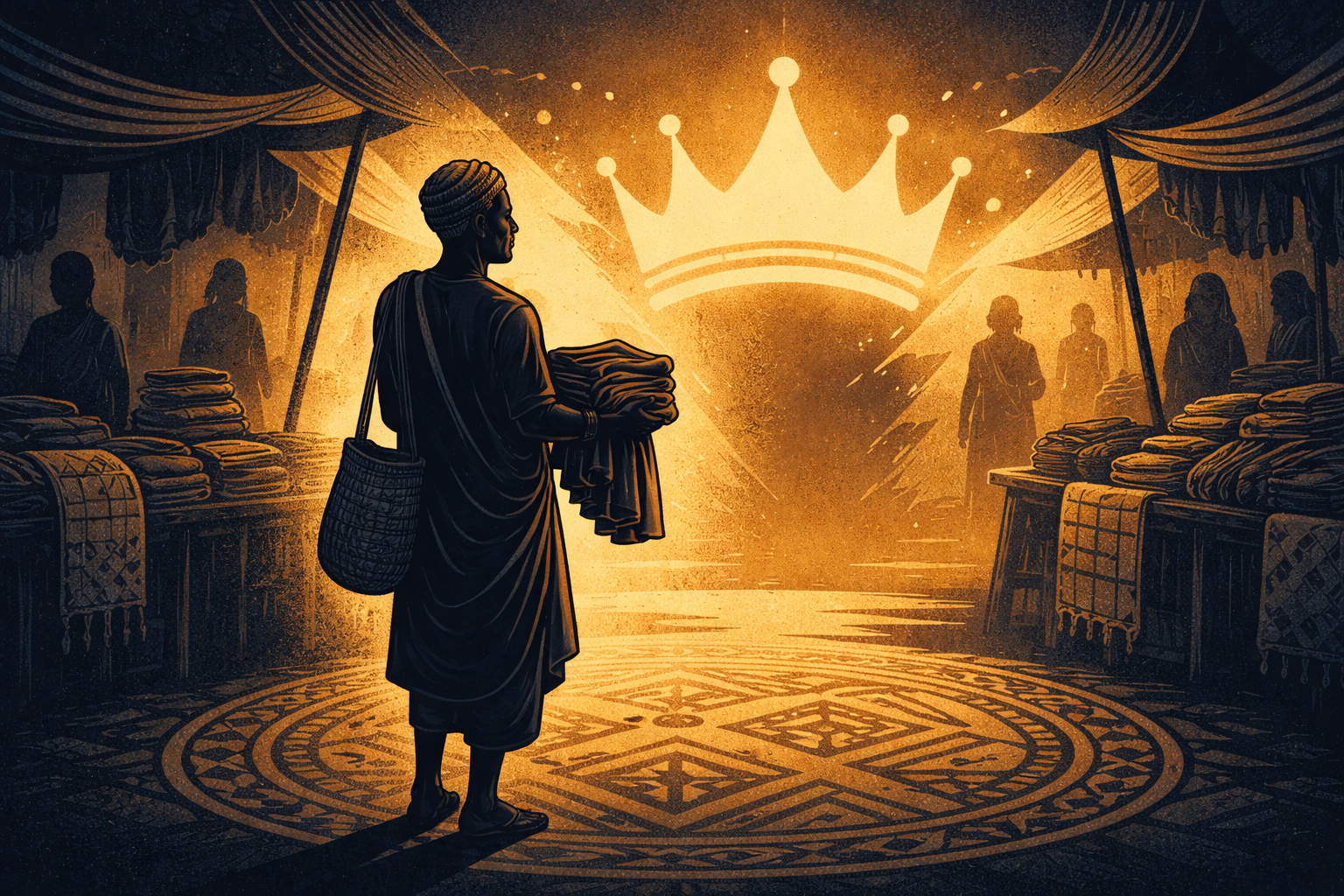
The cloth seller who became king (and didn’t die “on schedule”)
In one story, the king of Ilé-Ifẹ̀ (sacred city of the Yorùbá) dies. The court scrambles. They want a “temporary king”—someone old they can crown, then quickly replace when he dies.
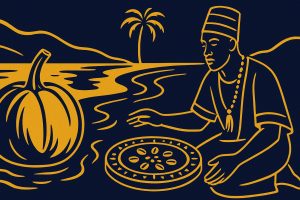
A cloth seller from the market hears the plan. He’s old, yes. But he’s also sharp. He goes to Ọ̀rúnmìlà (Òrìṣà of wisdom and divination) for guidance. Ọ̀rúnmìlà points him to the road of sacrifice and right timing—what Ifá calls Ẹbọ (sacrifice/offering that realigns destiny).
The cloth seller does what he’s told. Then he places the offering near the palace and waits. The court sees him and says, “Perfect. Crown him. He’ll die soon.”
But the joke flips.
He doesn’t die. He stabilize sense. And the same people who tried to use him as a placeholder end up wanting him to stay.
That’s Ogbè-Òyẹ̀kú in one scene: your “weaknes—if you handle it with humility, timing, and spiritual discipline.
A Yorùbá quote (and why it matters)
Here’s a line recorded in this Odù’s prayers:
“Ogbè yẹ̀kú ni baba ọ̀mọlú agbá ọ̀run nírẹ̀ dému, agọ̀gọ̀.”
A working translation given in the same source fn elder force among the divinities, linked with renown and order even when things feel chaotic.
Ogbè-Òyẹ̀kú shows you something practical: chaos is not always “bad luck.” Sometimes it’s the market shifting before your promotion. But you still need your feet under you when it happens.
And here’s the proverb-shaped truth that echoes through this Odù’s advice:
“Bí ẹnu kò bá sọ̀rọ̀, ọ̀rọ̀ kì í bà ẹnìyàn jẹ́.”
If the mouth doesn’t speak, words won’t harm a person.
Ogbè-Òyẹ̀kú warns against careless speech and “being the opinion machine” in other people’s drama—because it rebounds.
What this Odù teaches (core worldview, ethicsics)
Ogbè-Òyẹ̀kú is a sign about stability under attention.
You’re seen. Your wins are loud—even when you move quietly. That attracts support, but it also attracts envy, gossip, and spiritual interference.
Ethically, this Odù leans hard on restraint:
- De-escalate conflict.
- Don’t “win” by crushing someone who can’t fight back.
Psychologically, it’s also blunt: your nervous system matters. When people in this Odù get off-balance, it can show up as insomnia, agitation, compulsive habits, or constant complaining. That’s not moral failure. It’s a signal: your life rhythm is out of tune.
Metaphysically, Ogbè-Òyẹ̀kú sits at a crossroads:
- Ogbè brings expansion.
- Òyẹ̀kú brings depth and endings.
- Together they demand measured growth—not reckless growth.
In some lineages, this Odù is treated as unusually sensitive in divination and may be recorded or handled in a special way. If you’ve heard “it isn’t written the same way,” that’s lineage protocol.
Key myths and happenings (include births of Òrìṣà and/or phenomena when relevant)
Ogbè-Òyẹ̀kú doesn’t teach with one story. It teaches with a whole playlist.
1. The corner person becomes the decision-maker
Another strand says someone “in the corner” rises into public respect. People who mocked them start deferring to them. Even their gestures—like rubbing palms together to excuse themselves from judging a dispute—become symbolic of authority and restraint.
This is not just “glow up” energy. It’s governancbeing placed where your choices affect others.
2. Odùdúwà’s mistake, then abundance returns
In a myth cycle tied to Odùdúwà (culture-hero associated with Ilé-Ifẹ̀ origins), the land suffers after ritual order gets neglected. Crops fail. Birth goes wrong. The world feels like it’s breaking. Then correction happens—guided by divination—and abundance returns: rain falls, fruit ripens, and peace settles back in.
Ogbè-Òyẹ̀kú’s point is sharp: skipping spiritual-world consequences. Not always dramatic. Sometimes it’s just “everything gets harder for no clear reason.”
3. The goat, the lion, and the power of alliances
There’s also a set of stories where a goat faces enemies, and survival comes from strategy and alliance—especially with a lion who chooses protection over pride.
Ogbè-Òyẹ̀kú doesn’t romanticize lone-wolf success. It favors smart relationships.
4. The marriage myth and the “godmothers” of this Odù
One Cuban oral account tells a strange family story: when Ogbe and Òyẹ̀kú are joined, the consequences are potent and dangerous. A child is born with a “deadly touch,” and nobody wants responsibility—until a divine test reveals three who can carry the lineage without being harmed. They become guardians (“godmothers”) of the Odù’s ritual handling.
Whether you read that literally or symbolically,tent: this Odù carries power that needs containment and proper stewardship.
Relevant Òrìṣà in this Odù (who appears, why, what it reveals)
Ogbè-Òyẹ̀kú is crowded with forces. Here are the big ones, and what they signal.
Ọ̀rúnmìlà (Orisha of divination, wisdom, destiny-mapping)
Ọ̀rúnmìlà shows up as the one who explains the “why” behind events and prescribes the corrective path. If this Odù has a headline, it’s: don’t guess—consult.
Èṣù (divine messenger, o
Èṣù is the traffic controller. He makes sure offerings land where they should. He also exposes hidden enemies and hidden motives—both yours and other people’s.
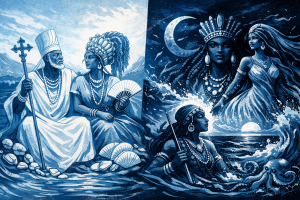
Ọ̀ṣun (river Òrìṣà of sweetness, fertility, diplomacy)
Ọ̀ṣun is linked here to prestige objects (like sacred implements and crowns in certain story lines). She also shows up in themes of fertility, attraction, jealousy, and the politics of relationships.
Obàtálá / Òrìṣàńlá (Òrìṣà of clarity, coolness, ethical leadership)
Obàtálá’s presence is the “cool head” counterweight. When this Odù warns against sadness, self-destruction, or taking what isn’t yours, that’s Obàtálá logic: hold your character steady while life turns.
Ògún (Òrìṣà of iron, work, cutting-through)
Ògún shows up because work and protection do. Ogbè-Òyẹ̀kú is business-friendly, but it expects discipline.
Orí (inner head; personal destiny)
Orí is not “mind.” It is your chosen destiny and the party aligned for luck to stick. This Odù repeats the idea that your head needs steady care so your life doesn’t split into “good ideas” and “bad outcomes.”
Ègbé (celestial companions; your spiritual peer group)
Ègbé (spirit companions in heaven) appears strongly. The teaching is simple: when your dreams get loud and your life stalls, you may be out of alignment with the “you” that exists beyond this life. lived life and development
Spiritual development
Ogbè-Òyẹ̀kú rewards consistency.
Not intensity. Not drama. Consistency.
This can look like:
- regular prayer,
- regular offerings in whatever form your lineage permits,
- regular care for your shrinonesty about what you’re doing and why.
It also warns about “spiritual procrastination.” If you keep delaying what you know you need to handle, you feel it in your body and your mood first.
Love and intimacy
This Odù has two strong relationship themes:
- Family dynamics can interfere with marriage choices.
The stories talk about a parent who tries to keep an adult child “under control.” The lesson isn’t “hate your family.” It’s: protect your adult life from manipulation.yẹ̀kú asks a hard question: are you choosing partners—or are you reacting to pressure? - You can get a good partner and still deal with jealousy.
That jealousy isn’t always petty. Sometimes it’s fear of loss. Sometimes it’s possessiveness. Sometimes it’s spiritual pressure.
Family and ancestry
Ancestry is not a background detail here.
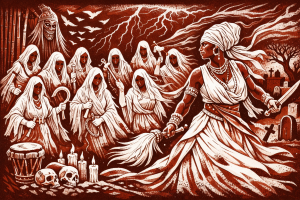
Egúngún (ancestral spirits) show up as “something demandinly when people keep using what belonged to the dead, stepping into funeral spaces casually, or ignoring the boundary between the living and the departed.
On the family side, Ogbè-Òyẹ̀kú also has “hidden theft” energy—being drained in your own home, being underpaid, being taken for granted. That can be spiritual. It can also be very literal.
Health and vitality
This Odù ties spiritual imbalance to vdigestion, sleep, stress, and hygiene.
A tradition-respecting way to read that is:
- Your body is a messenger.
- If you ignore the message, it gets louder.
- You can do spiritual work and still see a doctor when you need one.
Also, some lineages attach strong cautions here about working ibeing the one who administers medicine in high-stakes moments. That’s not a universal rule, but it’s part of this Odù’s recorded advice in some streams.
Work, vocation, money, and leadership
Ogbè-Òyẹ̀kú is not lazy.
It calls itself “the father of wealth” in one poetic line of praise. But it also says hard work is how that wealth becomes real.
This Odù often shows:
- promotion ,
- leadership that arrives “late” but lasts,
- business growth that triggers envy,
- the need to protect your position with strategy,
And it’s conservative about timing. Big changesrelocations—tend to be framed as “don’t do it impulsively.” Think in seasons, not moods.
Meaning in Ìrẹ̀ and Òṣogbo
Ìrẹ̀ (fortune/blessing, alignment, ease) and Òṣogbo (challenge, warning patterns) aren’t “good vs bad.” They’re like weather systems.
Same sky. Different conditions.
Ìrẹ̀ signatures in Ogbè-Òyẹ̀kú
When this Odù landese patterns:
- Hidden recognition becomes public. The “corner person” gets called forward.
- Longevity of position. You don’t just get the role—you keep it.
- Wealth that stabilizes. Not lottery chaos. More like “rock on rock” stability.
- Good marriage prospects, plus the work of trust. Love comes, but it mu
- Dreams become guidance instead of disturbance.nightmares can quiet and life can open.
Òṣogbo signatures is Odù shows in Òṣogbo, the warnings get specific:
- Envy at work and in your circle. The myou get watched.
- Speech becomes a weapon—against you. Gossip, accusations, “they said
- Legal or document trouble. Dubious paperwork, shady deals, someone setting you up.
- Nervous-system burnout. Insomnia, agitation, compulike you can’t rest.
- Family pressure around relationships. hijacked.
- A “gift” that acts like a trap. Something looks goo too much later.
In plain English: Ogbè-Òyẹ̀kú can bless you fast, but it pu
When consultation tends to matter
People often seek consultation (Ifá è-Òyẹ̀kú themes when:
- They’re about to accept a role, title, promotion, or public-facing opporel eyes on them.
- They’re considering a major change (moving, switching jobs, switching schools) and keep getting strange blocks or warnings in dreams.
- Their friend group feels “off,” like admiration is turning into quiet sabotage.
- Their marriaalousy, rumors, or family interference.
- They keep having repetitive nightmares, fertility worries, or a sense this tugging on their life path—often framed in this Odù as Ègbé matters. l spiritually “dirty” in the sense of neglected altars, neglected obligationand life is getting harder for no clear reason.
This is also one of those Odù where lineage practice matters a lot. The same headline can be handling on the house, region, and initiatory stream.
Recommended Deep Dives
If you want to go deeper with Ogbè-Òyẹ̀kú, keep the momentum going. Start with my books on Amazon US or Amazon BR.
Prefer audio + video? Join me on YouTube (Daily Ifa), and get fresh teachings in my Daily Ifá newsletter. If you want the vibe in music form, you’ll find my releases on Spotify.
And if you want two strong context pieces for this Odù’s “roads,” read my deep dive on Òrìṣà Èṣù and review the basics on Ọ̀rúnmìlà.