
Òfún Ìwòrì is a mixed Odù in Ifá’s 256-part corpus. Òfún Iwori’s selected stories expose the weakness of authority that exempts itself from ordinary responsibility. Two newly appointed chiefs cannot agree to row their own boat, while a ruler’s cruelty supplies the pattern his son imitates with fatal consequences. Rank appears as an arrangement that must support necessary work and ethical conduct. The material also requires caution because its origin account answers failed leadership by formalizing service beneath it.
A question to carry through the study: What necessary task does your status make you tempted to regard as someone else’s responsibility?
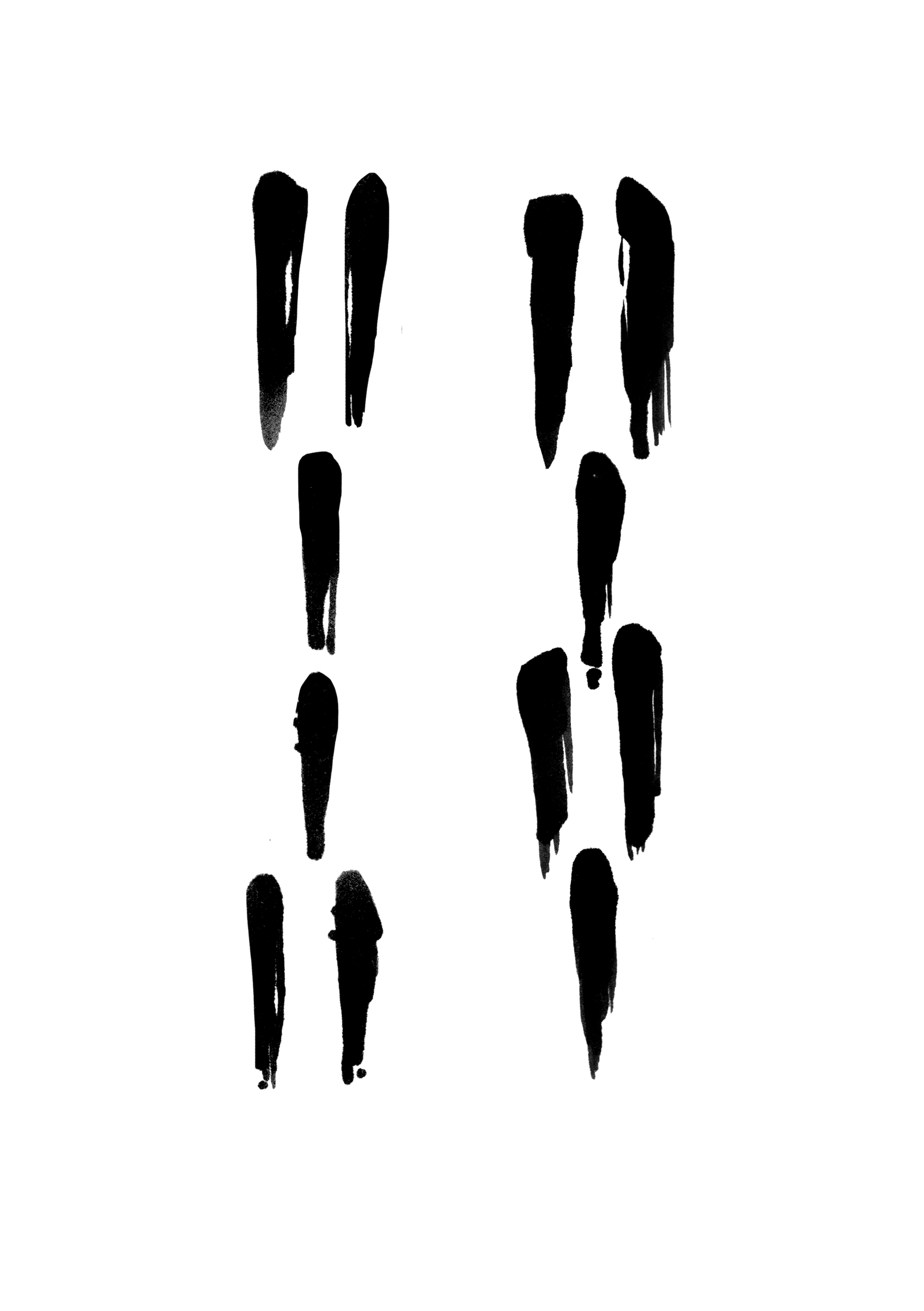
This Academy reads the right column first, then the left. Each row carries a single or double mark.

Where this Odù belongs
Òfún Ìwòrì belongs to the Òfún family in this Academy’s study sequence. It is a mixed Odù, distinct from Ìwòrì Òfún. The order matters. Its teaching is approached through its own narratives, rather than by adding two general descriptions of the principal signs together.
Key Òrìṣà and sacred relationships
The figures below are selected for their roles in the accounts discussed here. They offer connected reading paths through the tradition.
-
Ọ̀rúnmìlà. Òrúnmìlà appoints the chiefs and, after their failed journey, responds by instituting supporting roles; the story examines hierarchy through the practical problem of getting a boat to move.
-
Èṣù. In the neighboring two-diviners narrative, a form named Eshu Buruku is recruited into a jealous attack. This is a specific story role, not an assertion that every Èṣù manifestation acts maliciously.
Key myths and their meanings
The chiefs who will not row
Òrúnmìlà appoints two diviners as chiefs after an extended ceremony. They set out by boat to visit other diviners but have no rowers. Each refuses to row because he is a chief, and they eventually alternate. The boat nevertheless sinks and both die. Òrúnmìlà concludes that future chiefs need supporting personnel, and the source presents this as an explanation for differentiated ranks and service.
The comic opening identifies a concrete failure: title has become a reason to avoid the work that makes a journey possible. The ending, however, solves the problem by assigning service elsewhere rather than by changing leadership’s self-image. That tension deserves preservation. The narrative can provoke questions about labor and organizational design without treating hierarchy, servants, or exemption from manual work as inherently correct, inevitable, or historically established by this story.
Narrative setting: Cuban/Lukumí patakín identified in the selected account; no individual narrator is named.
A cruel example returns through the household
A ruler enjoys humiliating a blind beggar and places a venomous snake among what appears to be alms. His son has learned a similar contempt and tries to interfere with the beggar’s bag, despite other children refusing to join in. The hidden danger kills the son instead of the intended victim. The ruler discovers that his own scheme given the means of the household’s loss.
The mechanism joins modeling and unforeseen consequences. The son copies the ruler’s contempt, whereas children with less status recognize a boundary and resist participation. The fatal reversal dramatizes responsibility but cannot be generalized into a claim that parental wrongdoing causes children’s deaths. A responsible interpretation centers the deliberate cruelty, the peers’ refusal, and the misuse of generosity’s appearance rather than presenting suffering as evidence of hidden guilt.
Narrative setting: Cuban/Lukumí patakín identified in the selected account; no individual narrator is named.
The alarm is traced backward through the whole community
Several animal elders live together until a cobra looking for food enters a large rat’s dwelling. The rat flees at an unusual hour, prompting a squirrel’s warning, then a sequence of increasingly alarming interpretations among birds and a chimpanzee. In the rush, the chimpanzee breaks a guinea fowl’s eggs. The injured bird calls an assembly, and questioning traces each report back to what that speaker actually saw or heard. The cobra explains its search without claiming an intention to attack the household. The verse ends in collective relief and vindication, while Ifá’s explanation calls for careful investigation before action.
The assembly does not resolve the disturbance by choosing the most frightening report or the highest-ranking voice. It reconstructs a chain in which each participant had some experience but added an interpretation not supplied by that experience. Within the witness, Ifá’s counsel includes this disciplined inquiry; investigation is not opposed to spiritual understanding. The narrative’s religious frame also preserves the earlier warning to the rat, so the chain cannot be reduced to an entirely secular communication exercise.
The important unresolved issue is the guinea fowl’s loss. Explaining how the eggs were broken relieves collective panic but does not narrate their restoration or a form of compensation. A contemporary reading can therefore distinguish understanding, blame, and repair. It should also resist treating the cobra’s ordinary purpose as proof that danger was imaginary: a search for food can be genuinely frightening to another being even when the source does not attribute a specific hostile intention.
Narrative witness and setting: Passage explicitly labeled Ayo Salami, with Yoruba verse and Spanish translation in the supplied compilation.
A flowery cap becomes the shelter that can be dismantled
The second Salami unit concerns a large rat whose dwelling is associated with an image of a flowery cap. It receives counsel about being driven from home and rejects the response requested. The explanation identifies the apparent cap with the termite mound in which the rat resides. Human observers recognize tracks, begin dismantling the mound, and receive confirmation from Èṣù that the rat is inside. As the shelter is opened, the rat must leap out and leave. The ending acknowledges counsel belatedly. No later home, completed reconciliation, or judgment about a human property dispute is described.
The protective form is exposed as something with a relation the occupant has not fully acknowledged. The mound belongs to termites in the passage’s explanation, while the rat treats its present shelter as secure enough to dismiss counsel. Èṣù’s confirmation makes him an active participant in the religious consequence, not merely a convenient name for human detection. The narrative does not therefore establish that every displaced person ignored a warning or lacks a rightful home. Its concrete scene is narrower: a particular refuge can be opened, and a recipient misjudges what guarantees its continuity.
A contemporary interpretation may ask what a position depends on, but should not turn the source into a justification for eviction or a method of exposing someone’s shelter. The unresolved issue is the relation between the opening caution about visitors and the developed mound episode, since the brief explanation does not narrate a distinct guest who betrays the rat from within.
Narrative witness and setting: Passage explicitly labeled Ayo Salami, with Yoruba verse and Spanish translation in the supplied compilation.
What was born in this Odù
“Born” can name an explicit traditional origin association or what emerges through a story: a capacity, relationship, practice or order of life. Interpretations drawn from a narrative are labelled below, so their basis remains clear.
The parrot
Selected traditional source association.
The explicit beginning list assigns the parrot to this sign, but the selected stories do not explain that association. It should remain a modest source catalog entry rather than an invented tale of the bird’s origin, speech, or sacred status.
Differentiated ranks
Selected traditional source association.
The same list names hierarchies in office and Ifá, expanded in the boat narrative. This is a religious explanation of roles, useful for questioning how authority is supported, not evidence for one universal or historically original administrative system.
Correlations to life dimensions
These questions bring the selected stories into contemporary life. They are interpretive invitations for study.
Work and resources
A boat cannot move through ceremonial title alone. The chiefs’ dispute reveals a dependence on necessary labor that status does not remove, inviting organizations to make support roles visible and to distribute work without demeaning those who perform it.
Reflect: Whose labor makes your role possible?
Relationships and family
The ruler’s son imitates cruelty, while the other children decline. The story offers a concrete comparison of examples available within one scene, supporting attention to daily conduct rather than deterministic claims that children must reproduce their parents.
Reflect: What example does your everyday treatment of others provide?
Character and inner life
The chiefs treat an ordinary task as a threat to identity. The useful question is whether dignity has become confused with exemption, and whether a person can perform needed work without feeling that recognition has been lost.
Reflect: Which ordinary task feels beneath you, and why?
Community and responsibility
The peers’ refusal is an important counterweight to inherited power. A community can establish limits through ordinary dissent, making clear that a ruler’s child or official title does not make deliberate humiliation acceptable even within the palace.
Reflect: Who can refuse participation when an influential person acts cruelly?
A deeper reading of the sacred relationships
Ifá includes the responsibility to understand a report
The animal assembly’s explanation explicitly urges investigation before acting, while the mound account makes a dismissed warning consequential. These are complementary demands rather than a choice between questioning and faith. Within the witnesses, divination discloses a relationship that requires response, and response can include attending carefully to what another being actually encountered. The earlier chief’s boat story likewise shows title unable to replace necessary work, while the cruel ruler’s child acts from a learned contempt that peers refuse. A contemporary emphasis on verification can follow from these scenes, but it should preserve Ifá’s active authority rather than present investigation as a correction imposed from outside the religious world.
Explaining harm is different from repairing it
The assembly reconstructs a causal chain and calms the community, but the broken eggs remain a loss the verse does not narrate as repaired. The earlier king’s snake kills his own son, and the rowing chiefs die after their dispute; those endings likewise cannot be undone by a correct explanation. The mound account leaves its displaced recipient’s future unreported. Together these witnesses make aftermath important without supplying a full system of restitution. A contemporary reader can ask what acknowledgment should be followed by material care, changed practice, or compensation. Those are further questions grounded in the narrated losses, not events that should be added to the sources’ endings.
A position depends on more than its visible title
The chiefs claim exemption from rowing because of rank, while the rat treats a mound as a secure cap-like shelter. Both rely on a visible or familiar position without fully attending to what sustains it. The animal assembly gives another form of authority, one created through calling participants together and hearing particular accounts. The cruel ruler supplies a negative contrast in which status licenses a harmful performance of charity. These are different narrative institutions, and none should be made a universal model of governance. Their comparison can ask whether authority performs necessary work, recognizes dependence, and remains answerable when its outward form no longer guarantees a good relation.
Questions that deepen the study
How can everyone be vindicated when the eggs are still broken?
The assembly discovers that the alarm grew through partial perceptions and escalating interpretations rather than a single fully intended plot. That explains the collective relief and the verse’s statement of vindication. It does not mean no harm occurred, and the account does not describe compensation for the guinea fowl. A contemporary analysis can hold both conclusions: the search for a sole guilty mastermind may be mistaken, while a real loss still deserves acknowledgment. Within the witness, Ifá calls for investigation as part of restoring understanding. A reference should not invent a repaired clutch or treat explanation as automatically sufficient repair.
Does the mound account say that people who lose a home are at fault?
It narrates a particular speaking animal, a religious warning, and a shelter whose relation to termites is explained within the story. It gives no basis for judging actual displaced people or translating homelessness into proof of spiritual disobedience. The source’s opening concern about visitors also remains only partly developed in the mound episode. A contemporary application can ask what a secure position depends on and whether warning has been understood, while leaving other people’s circumstances to their own evidence. Èṣù’s role and the consequence remain religious realities in the witness rather than a universal account of why shelters are lost.
What does the assembly add to the earlier story of cruel example?
The ruler’s son imitates contempt despite peers refusing to join, whereas the animal community ultimately slows a chain of reaction by gathering and asking what each participant knows. Both stories make collective behavior consequential, but one group supplies a refused alternative before harm and the other seeks understanding after loss. A contemporary reader can ask how communities interrupt imitation, rumor, or escalating fear without assuming that an assembly always reaches complete justice. The religious account affirms the calming inquiry through Ifá’s explanation. Its value lies in that particular practice of tracing reports, not in treating all frightening claims as foolish or every powerful speaker as reliable.
What the four narratives reveal together
The new Salami witnesses deepen Òfún Iwori through two failures of understanding: a chain of alarms detached from what each participant actually knows, and a shelter mistaken for an unquestionable guarantee. They stand beside the earlier chiefs whose titles cannot row a boat and the ruler whose contempt becomes a lethal example for his child. The four accounts therefore distinguish rank, perception, dependence, and responsibility rather than assigning one fixed character to the sign.
Their religious logic remains active through Ifá’s warnings, its explicit demand for investigation, and Èṣù’s role in a particular consequence. Contemporary questions about evidence, repair, and institutional support can follow without replacing that logic. The synthesis should retain unresolved losses and futures, including the broken eggs, the rat’s next dwelling, and the difference between a correct explanation and a completed act of justice.
Living with this Odù
A continuing life or initiatory relationship
For a person whose received life or initiatory Odù is Òfún Ìwòrì, these witnesses make visible position answerable to the work and relations supporting it. Chiefs cannot travel by title alone; the rat’s familiar shelter is not secured simply by treating it as a cap. Long-term discernment includes recognizing dependence before a breakdown makes it undeniable, while questioning whether the source’s solution merely transfers labor to less powerful people.
The animal assembly provides another form of authority through tracing reports to their actual observations. Ifá includes that disciplined inquiry rather than opposing it. The cruel ruler’s example then shows how harmful conduct can be learned, while children who refuse participation preserve an alternative. Across changing circumstances, a person may need to do ordinary work, hear a small witness or distinguish explanation from repair. The broken eggs are not restored merely because panic ends. Sacred warning and Èṣù’s action remain specific in the mound witness; they cannot justify eviction or blame displaced people. The sign predicts no family catastrophe or fixed leadership temperament. Its enduring question is how authority understands what sustains it and remains answerable to harm after its cause becomes clear.
A particular consultation and its question
When Òfún Ìwòrì appears in consultation, the witnesses help distinguish observation, inference and escalating interpretation. Each animal has encountered something, yet the chain adds claims not contained in the original event. A practitioner can ask what the client actually knows and what was supplied by another speaker, without assuming that all fear is imaginary. The cobra’s ordinary search can still frighten another being.
The actual matter might instead concern rank refusing necessary work or a position whose support has been misunderstood. The rowing story’s later hierarchy is a local narrative explanation, not proof that leaders deserve exemption from labor. The rat’s displacement likewise cannot establish that a client ignored counsel or lacks rights to a home. The ruler’s snake must remain deliberate cruelty rather than a doctrine explaining children’s deaths through parental guilt. Consultation is a particular encounter, not permanent identity. Its religious frame can include careful investigation, warning and response to Ifá while contemporary reflection asks what acknowledgment requires afterward. A true causal account may calm a group yet leave the injured party’s material loss and need for care unresolved.
Constructive and adverse possibilities
Constructive unfolding may involve rank accepting practical responsibility, reports being examined through their actual chain and a harmful example being refused rather than copied. Ifá’s authority supports inquiry within the animal witness. Recognition of dependence can also make preparation more exact before a position fails.
Adverse possibilities include title becoming exemption, familiar shelter becoming an unsupported assumption or panic producing losses beyond the original disturbance. The ruler’s cruel gift shows generosity’s appearance concealing harm, but its fatal reversal must not become a moral explanation for real bereavement. The assembly’s relief does not undo broken eggs, and the mound ending does not narrate a secure later home. These unresolved aftermaths matter when considering a real reading’s constructive and adverse relations. They do not determine its state or allow a single explanation to substitute for repair, support and changed conduct.
An illustrative situation in everyday life
Hypothetically, a workplace alarm spreads through several messages until staff believe an entire building is unsafe. In the rush, equipment belonging to a small team is destroyed. Review finds that the first report concerned a much narrower event. The animal assembly structure helps separate what each witness encountered from the additions made along the chain. A constructive response investigates accurately without ridiculing the initial fear, then addresses the team’s actual loss. The rowing chiefs add a question about whether senior staff participate in that ordinary work or merely issue instructions. This is an illustrative scenario about evidence, labor and aftermath. It does not reproduce sacred warning, claim every alarm is false or imply that identifying a cause automatically repairs harm.
Sources and reading context
The first two narrative witnesses
The two selected Cuban/Lukumí narratives contain lethal endings and an origin explanation for hierarchy; these remain source stories, not historical or moral proof. The Èṣù association is drawn transparently from an adjacent narrative. No medical predictions or supposed inherited guilt are adopted.
Narrative motifs are summarized independently. The life-dimension reflections are contemporary interpretation. How these reference studies are built explains the wider source approach and the distinction between a reference article and personal divination.
Additional named witnesses
-
Ayo Salami. The animal-alarm assembly and the large rat’s mound account come from the explicitly named bilingual block.
-
Cuban/Lukumí compilation witness. The chiefs’ boat and cruel-ruler narratives remain distinct Cuban sources.
Animal names follow uneven translations and are not used for precise species identification. The flowery cap is explained within the witness as the mound’s form, not a universal symbol. Vindication does not include narrated compensation, and no modern displacement is interpreted as proof of spiritual failure.
Bibliographic identification
- Ayo Salami. Ifá: A Complete Divination. Lagos: NIDD, 2002 catalogue record. Library catalogue record. Bibliographic identification of the named author and work; the edition behind the transmitted account remains to be matched.
Read the source method and wider scholarly context.
The catalogue links identify published works and their authors. They are separate from proof of an individual episode’s wording or attribution. Contemporary comparisons and the synthesis above are editorial interpretation. The author’s books and Academy companions below provide further study; their sales links are separate from the source references.