Introduction – The Silent Arrow and the Loud Mouth (How Traps Get Built)
Source: About Odù Ifá Ogbe Odi
Ògbè Òdí (an Odù Ifá—a sacred divination sign in Ifá) is the kind of message that tightens your belt. Not because it wants you scared. Because it wants you ready.
This Odù talks about trials, betrayal, hidden enemies, and shame that sneaks up on you. It also talks about long life, protection, and becoming respected after people underestimated you.
So what’s the catch?
Ògbè Òdí keeps repeating a tough truth: your biggest problems often start with two things—money pressure and mouth pressure. If you’ve been moving fast, lending too easily, borrowing from the wrong places, or telling your plans to people who don’t deserve the details, this Odù doesn’t “encourage” you. It corrects you.
And yes—correction can be love.
Guiding myth + proverb (with translation + interpretation)
The dawn herald who woke wisdom
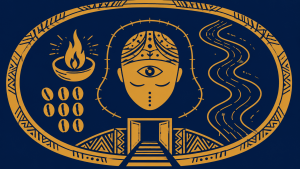
In one widely shared Lukumí/Cuban oral path, this Odù is called Ògbè Dí (a diasporic spelling that maps to Ògbè Òdí). In that story, Ògbè Dí becomes the person assigned to wake Ọ̀rúnmìlà (Òrìṣà of wisdom and divination) every morning.
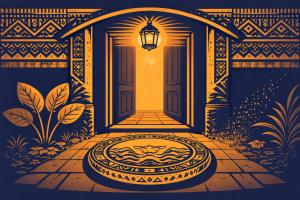
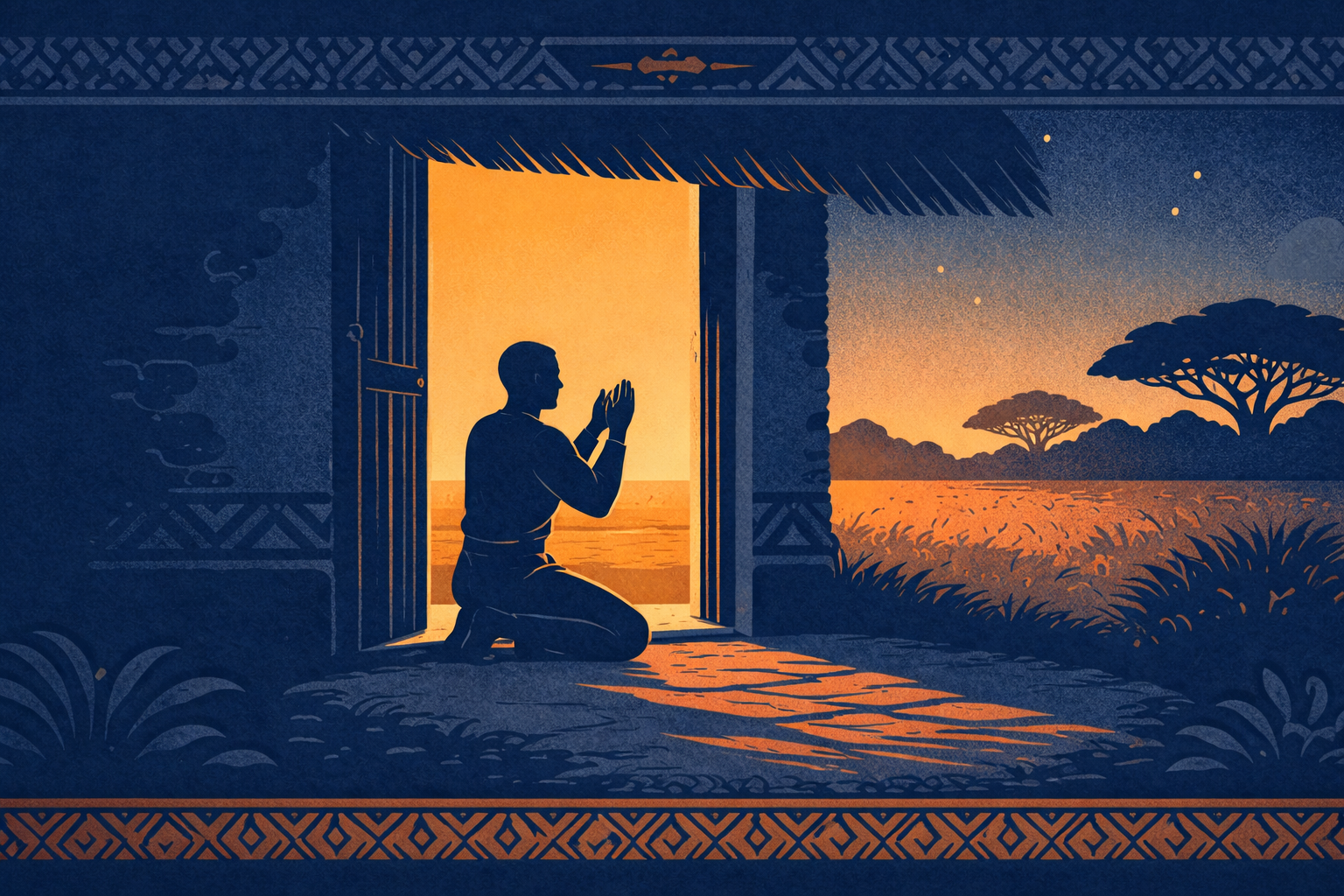
The scene opens at six o’clock. The air is cool. Ògbè Dí arrives at Ọ̀rúnmìlà’s house with a message from Òṣun (Òrìṣà of sweetness, love, and river power). He kneels. He does not touch Ọ̀rúnmìlà. And he recites a prayer Òṣun taught him—words meant to rouse wisdom without force.
Ọ̀rúnmìlà wakes. Òṣun and Ògún (Òrìṣà of iron, work, and boundaries) arrive at the door, backing the prayer with spiritual authority.
That’s the lesson.
Interpretation: Ògbè Òdí teaches “wake-up power.” Not hype. Not chaos. An not last-minute scrambling. A quiet, daily discipline that keeps your destiny from sleeping in.
If you want stability, start at dawn. Even if your “dawn” is symbolic.
A Yorùbá proverb about the mouth
Yorùbá: Ahọ́n kì í jábọ́ lọ́wọ́ ẹnu.
English: “The tongue doesn’t fall out of the mouth.”
Meaning: you own what you say. You can’t blame your mouth for the damage your words caused.
That fits Ògbè Òdí perfectly because this Odù repeatedly warns about false testimony, slander, and public embarrassment.
The proverb that nails the vibe
“The arrow has the virtue of not making a sound.”
This is not poetry for decoration. It’s strategy. Real danger often arrives quietly. Real power often moves quietly, too. So Ògbè Òdí asks you to do two things at once:
- move with discretion
- speak with restraint
What this Odù teaches (core worldview, ethics, psychology, metaphysics)
Ògbè Òdí doesn’t treat life like a motivational poster. It treats life like a road with potholes.
Here’s the worldview in plain language:
1. Success attracts pressure. The Odù describes Ọ̀rúnmìlà arriving on Earth (Ayé—life in the visible world) and getting targeted because everything he did worked. That’s a myth, but the psychology is real. When you start winning, envy wakes up.
2. Protection is earned through alignment. Ifá often frames alignment through Orí (your inner head—your personal destiny and spiritual “compass”). When Orí is strong, you stand up under stress.
3. “Bad company” isn’t only about friends. It’s also about deals, loans, and agreements. This Odù is strict about borrowing at usurious rates, being a guarantor, and doing business on credit.
4. Don’t build joy on humiliation. Ògbè Òdí warns against plotting to disgrace others or assassinate their character. If you make humiliation your hobby, shame eventually visits your house.
5. Discipline beats panic. This Odù loves routine. It respects early preparation. It rewards people who finish tasks and don’t leave loose ends.
Psychologically, Ògbè Òdí is the Odù of:
- vigilance without paranoia
- boundaries without cruelty
- courage without noise
Metaphysically, it speaks to invisible forces too — Ájogun (forces of harm), Àjẹ́ (witchcraft forces — often understood as spiritual and social manipulation), and hostile energies that respond to your success.
Key myths and happenings (include births of Òrìṣà and/or phenomena when relevant)
Ògbè Òdí carries more than one major story thread. Different lineages emphasize different scenes, but the teachings rhyme.
1. Ògbè Òdí and the duty of waking Ọ̀rúnmìlà
The “dawn herald” story teaches that growth comes from repeated practice. Ògbè Òdí becomes “owner of knowledge” through service, not ego.
2. Ọ̀rúnmìlà’s arrival on Earth and the backlash of success
In another account, Ifá foresees Ògbè Òdí for Ọ̀rúnmìlà at birth and prescribes ẹbọ (offering—spiritual exchange and commitment) to prevent curses or plagues from enemies. The point is not fear. The point is cause and effect.
When your work starts working, somebody notices. So your character and protection must keep up.
3. The Dove, the Crab, and the Snake (how debt becomes violence)
This is the Odù’s loudest warning story.
Àdàbà (Dove) sells alcohol on credit. Alákàn (Crab) buys on credit, then drinks the stock instead of selling it. Payment day arrives, and panic follows. Then comes Ejò (Snake), a brutal debt collector. The Snake goes to collect the debt by force and dies in the attempt. The moral is sharp and modern:
Credit drama escalates. It turns into threats. Threats turn into injuries. And sometimes, it turns into death.
4. Èṣù Òdàrà vs. the kings who wanted to shame him
In another myth, Èṣù Òdàrà seeks help from kings who secretly plan to ruin him with impossible loan terms and public disgrace.
Èṣù consults Ifá, follows the prescriptions, and flips the trap back onto the plotters.
The lesson: don’t design traps for people.
Traps teach you your own weakness.
5. “Births” in this Odù (symbolic arrivals into the world)
Ògbè Òdí lists many things as “born” here. Think of them as symbolic inventions—patterns that become active in human life through this sign:
- camouflage (discretion as a survival skill)
- hooks and fishing hooks (leverage, contracts, consequences)
- “evil desires among people” (envy and sabotage)
- paying tribute to Ọ̀sányìn/Òsányìn (Òrìṣà of herbs) when herbs are harvested (respecting spiritual labor)
- “parliament” (group politics and social pressure)
Relevant Òrìṣà in this Odù (who appears, why, what it reveals)
The text names key forces connected to Ògbè Òdí: Ifá, Èṣù Òdàrà, Òṣun, Orò, Ìbejì, Ògún.
Other Òrìṣà and powers appear depending on the story path.
Ọ̀rúnmìlà (Ifá) — counsel, destiny clarity, spiritual strategy
Ọ̀rúnmìlà shows what wise power looks like: prepared, humble, consistent. In this Odù, he is both the target of envy and the proof that alignment wins.
Èṣù Òdàrà — crossroads, exposure, consequences
Èṣù Òdàrà appears when traps, accusations, theft, and public shame are on the table. He teaches a harsh mercy: games get revealed.
Òṣun — sweetness, rescue, reputation, relationship testing
Òṣun’s role in the dawn story shows how love and favor can lift someone into greatness—if they keep their promises and keep their discipline. Other passages warn about emotional manipulation and revenge disguised as romance.
Ògún — work, tools, boundaries, survival
Ògún shows up as muscle and structure. Not “violence.” Structure. Clear agreements. Clean cuts. Strong “no.”
Orò — community force, social order, fertility and lineage (in some frames)
Orò appears in blessings around children and legacy, and in rituals that tie a person to communal stability.
Ìbejì — twins, doubling, balance under pressure
Ìbejì represents “double reality.” Two forces at once. Two outcomes. This Odù hints that twin-blessings can arrive if a person aligns properly.
Ẹ̀gúngún — ancestors, accountability, unfinished obligations
The Odù advises checking whether an ancestor needs attention. Translation: don’t pretend the dead aren’t involved in the living.
Key topics for lived life and development
Spiritual development
Ògbè Òdí rewards devotion that looks boring from the outside.
- show up consistently
- learn before you claim mastery
- do what you said you’d do
This Odù also carries a warning about arrogance. Not because confidence is bad, but because pride makes you sloppy. A clean reflection question for this Odù: Where am I skipping discipline and calling it faith?
Love and intimacy
Ògbè Òdí is cautious about romance that runs hot and fast. It warns about a person who tries to engage emotionally with an intention of revenge. That can show up as:
- “I miss you” texts from someone who wants access, not love
- flattery from someone jealous of your progress
- attention that spikes when you’re vulnerable
The move is not suspicion for sport. The move is pace.
Let time expose motives.
Family and ancestry
This Odù asks about children, especially children with disrespectful tendencies. That’s not random. It’s about legacy. If you don’t shape behavior at home, the world will shape it outside. And outsiders don’t always shape gently. It also asks whether an ancestor (Ẹ̀gúngún) needs an offering. Sometimes what feels like “bad luck” is really “unpaid respect.”
Health and vitality
Ògbè Òdí contains traditional medicinal material and taboos in some lineages (for example, warnings around alcohol and coffee).
Treat that with maturity:
- If you have symptoms, get medical help.
- If your habits worsen stress, reduce them.
- If your body is warning you, listen.
In Ifá language, your body is part of your Orí’s assignment. You don’t get to neglect it and still call yourself “spiritual.”
Work, vocation, money, leadership
This is the section where Ògbè Òdí gets almost aggressive. It repeatedly warns:
- don’t borrow money with usurious interest
- don’t lend money unless you’re prepared to cancel the debt
- don’t buy or sell on credit
- don’t act as a guarantor
- don’t use force to collect debts
Why is it so intense? Because Ògbè Òdí understands escalation. Money pressure makes people do dumb things. Dumb things become shame. Shame becomes rage.
This Odù also warns against taking other people’s problems as your project. That’s not leadership. That’s leakage.
Leadership in Ògbè Òdí looks like:
- finish what you start
- keep your receipts (literal and social)
- don’t advertise your next move
- let results speak
Remember: the arrow doesn’t make a sound.
Meaning in Ìrẹ̀ and Òṣogbo
Ìrẹ̀ (fortune/blessing, alignment, ease) in Ògbè Òdí often looks like:
- long life and protection
- respect that grows over time (late bloomers thrive here)
- victory over opposition, especially “hidden” opposition
- strong dreams and intuition that help you avoid trouble
- expanded networks and opportunities through steady work
Here’s the flavor of Ìrẹ̀ in this Odù: you get blessed, and you get watched. So you stay disciplined so the blessing can stay.
Òṣogbo (challenge/misalignment, friction, warning patterns) in Ògbè Òdí often shows up as:
- false testimony, slander, and accusations
- betrayal and hidden enemies
- shame that comes from loose speech
- debt conflict that turns physical
- arrogance that leads to “perdition” (self-made downfall)
A clear Òṣogbo signature here is the trap you didn’t see coming. That’s why the Odù teaches camouflage, discretion, and watching your circle.
When consultation tends to matter
Ògbè Òdí tends to matter when life feels like it’s tightening around one theme: “If I misstep here, it becomes a bigger problem.”
Consultation often becomes relevant when:
- you suspect an accusation, theft, or setup is forming
- you feel emotional pressure from someone who may not be safe
- you’re considering a loan, being a guarantor, or entering a messy financial tie
- your dreams keep repeating and feel like warnings
- you keep dealing with envy at work while opportunities grow
This Odù also has a strong theme of “do the right sacrifice to avoid mockery or confusion.” In plain English: don’t ignore the fix and then act surprised by the mess.
Next step
Ògbè Òdí is a serious Odù, but it isn’t pessimistic. It says you can live long. You can build respect. You can leave children and legacy behind. But it also says: stop feeding predictable trouble.
If you want to live this Odù starting today, try one clean rule for the next 30 days: No credit drama. No oversharing. No rescuing people who refuse to change. That’s not cold. That’s protection.
Recommended Deep Dives
If you want to keep studying without getting lost in random takes, start with these:
- Understand Òdí as “foundation.” It helps you see why this sign cares so much about stability, grounding, and consequences. Read: Odu Odi: The Pillar of Creation and the Wisdom of Foundations.
- Get the bigger Ògbè context. Ògbè carries themes of visibility, leadership, and the pressure that comes with progress. Read: Odu Ogbe in Ifá Divination: Myths, Lessons, and Practices.
- Study consequence and crossroads with Èṣù. If you want to understand traps, reversals, and timing, learn Èṣù properly. Read: Orishá Eshú: The Dynamic Messenger and Trickster.
More from the Author
If you want more Odù breakdowns, myths, and practical interpretation, follow and support the creator here: