
Òkànràn Òbàrà is a mixed Odù in Ifá’s 256-part corpus. Okanran Obara considers how recognition is distributed around authority and courtship. An offended gatekeeper closes access to everyone, while a working bird demonstrates reliability amid a rival’s elegant promises. The stories share a contrast between social appearance and sustained conduct. They also show the limits of choosing virtue through public reputation: the gatekeeper’s control is excessive, and the marriage contest gives the father the decisive voice.
A question to carry through the study: What daily conduct tells you more than either a polished appearance or a resentful reputation?
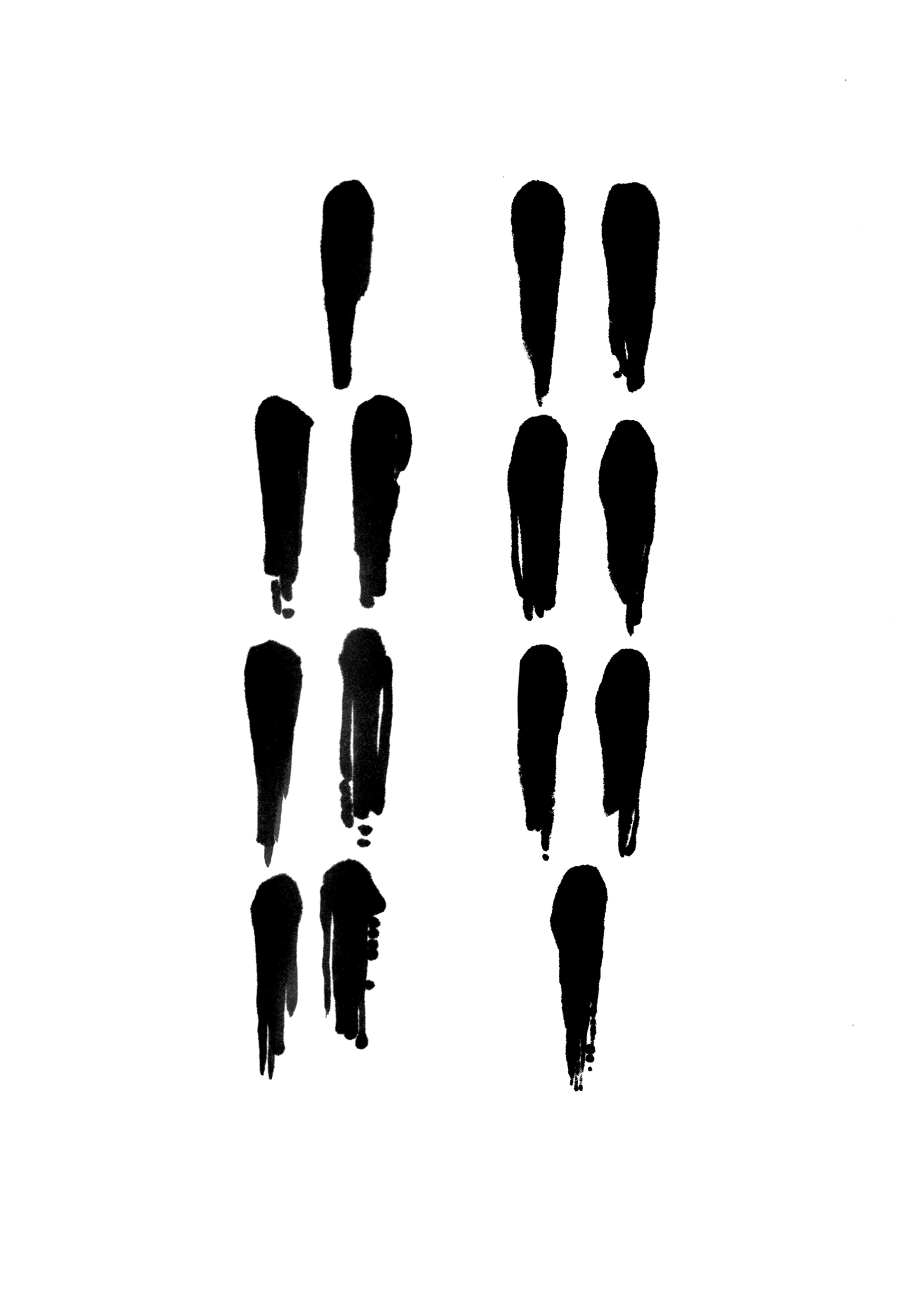
This Academy reads the right column first, then the left. Each row carries a single or double mark.
Where this Odù belongs
Òkànràn Òbàrà belongs to the Òkànràn family in this Academy’s study sequence. It is a mixed Odù, distinct from Òbàrà Òkànràn. The order matters. Its teaching is approached through its own narratives, rather than by adding two general descriptions of the principal signs together.
Key Òrìṣà and sacred relationships
The figures below are selected for their roles in the accounts discussed here. They offer connected reading paths through the tradition.
-
Obàtálá. As Olofin’s gatekeeper he responds to feeling disregarded by blocking everyone’s access. The story later depicts a change in his conduct rather than making his resentment harmless.
-
Ọ̀rúnmìlà. He identifies the nearby person whose displeasure is obstructing Olofin’s court and counsels the woodpecker to appear in working clothes for the contest.
Key myths and their meanings
The gate that answered an insult
Obatala serves at Olofin’s entrance and feels unappreciated and criticized. He refuses access to all visitors. Olofin consults, and the problem is identified as the grievance of someone close to him. After attention to that relationship, the gatekeeper recognizes his error and begins admitting people again.
An overlooked supporting role can become a bottleneck for an entire institution. The grievance deserves a hearing, but the gatekeeper’s response also harms people uninvolved in it. A useful interpretation holds both sides together: recognition should not require sabotage, and authority should not ignore the people through whom access actually works.
Narrative setting: Cuban/Lukumí patakín in a multilingual source compilation; no individual narrator is established.
The suitor who kept working
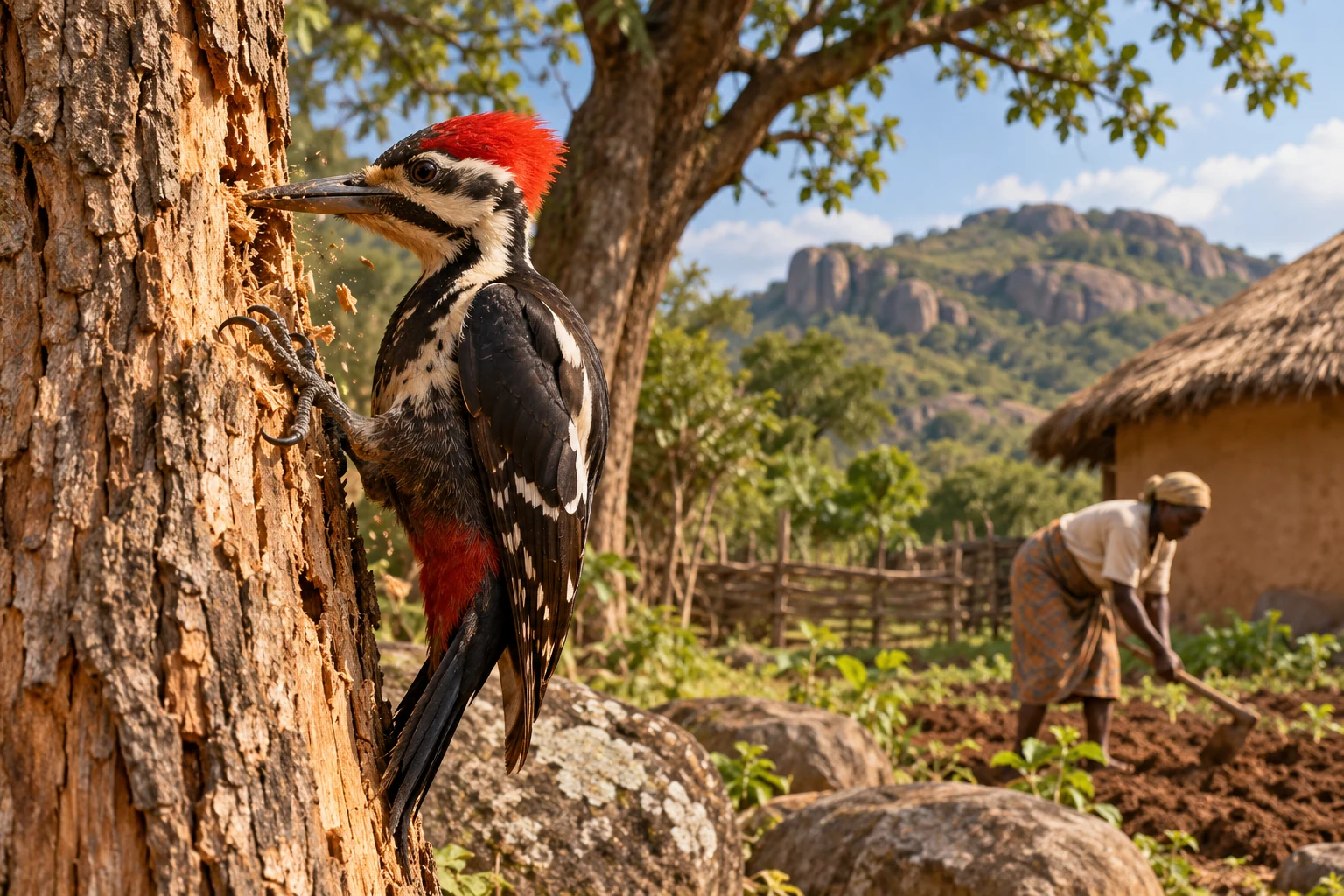
Birds gather for a princess’s marriage choice. One arrives impeccably dressed and offers magnificent future possessions. The woodpecker comes in work clothes and asks for a task while waiting. His work brings repeated contact with the ruler, who ultimately selects him after the princess defers the choice.
The contrast is between demonstrated reliability and promised consumption. Yet the result is not an uncomplicated model of choosing a partner: the princess gives the decision to her father, and her own preferences remain largely unavailable. An article can examine steady conduct without reducing a person’s worth to productivity or endorsing parental control over marriage.
Narrative setting: Cuban/Lukumí patakín in a multilingual source compilation; no individual narrator is established.
Building mud enters a world of human handling
Atebo, the mud used in building houses, receives counsel before earthly arrival. It is advised to maintain a relation with Esu because its encounter with humans will bring difficulty. It refuses. In the continuation, people tread, beat, and work the material before it becomes a house. The witness gives an ordinary construction substance a sacred biography of form and handling. Its later application moves toward interpersonal and marital harm, but that extrapolation is distinct from the selected origin motif. The account does not justify violence against people or make the use of a building material evidence that human abuse must be endured.
The material is both subjected to force and made useful, an ambivalence that should remain precise. Within the religious account, mud’s earthly treatment follows a neglected relation rather than an impersonal manufacturing description. Yet a human body cannot responsibly be substituted for mud in order to make coercion productive or inevitable. The earlier woodpecker story also gives work a positive public result, but a working bird’s chosen contribution differs from a substance being shaped. The gatekeeper episode supplies a further distinction: an overlooked participant can actively obstruct a relation in response to neglect.
Mud does not have that same narrated social position. These comparisons help a study explain sacred emergence without turning every image of formation into one moral about discipline. A contemporary reading can ask about the hidden material labor beneath a desirable house, while refusing the source’s appended suggestion that violence in an intimate relation is an inescapable consequence for a reader.
Narrative witness and setting: Translated excerpt in the multilingual compilation’s expressly attributed Cromwell Osamaro sequence, with Yoruba/Bini-facing material. The compilation’s language is not evidence of a Brazilian tradition.
Two fruit siblings prepare for birth but not protection
Pumpkin and Melon, represented as siblings entering the agricultural year, consult about having offspring. They undertake the first commitment but not another concerning the offspring’s exposure to consumers. Their fruits are eaten by humans and animals. Pumpkin returns for counsel and receives a changed condition that Esu makes known to would-be consumers; its next fruits are bitter or harmful in the narrative. Melon does not make that renewed response and remains edible. The translated names do not map securely onto all modern species. The story is a religious etiology of differentiated fruits, not a safe identification guide or a universal account of pumpkin edibility.
The first outcome succeeds: both siblings produce. The problem appears when multiplication creates a vulnerable next generation rather than securing it. That religious distinction resembles the dog’s two counsels elsewhere in the archive, but this sign’s own context is agricultural consumption and changed relation to others’ use. The new protection also carries a cost: what shelters the offspring from being eaten makes the fruit unavailable as ordinary nourishment. The story therefore complicates a purely celebratory account of defense. Within its sacred world, consultation, preparation, and Esu’s announcement help establish a different material condition; the account is not merely an analogy to setting boundaries.
The earlier courtship bird wins recognition through usefulness, while the gatekeeper’s obstruction harms access. A contemporary study can compare these outcomes without declaring usefulness the highest value or inedibility a human virtue. The key question is which relation is being protected and what other relation the change interrupts. Esu’s warning precedes the tasting. Protection thus operates through announced sacred knowledge and an encountered change, rather than through secrecy alone.
Narrative witness and setting: Translated excerpt in the multilingual compilation’s expressly attributed Cromwell Osamaro sequence, with Yoruba/Bini-facing material. The compilation’s language is not evidence of a Brazilian tradition.
What was born in this Odù
“Born” can name an explicit traditional origin association or what emerges through a story: a capacity, relationship, practice or order of life. Interpretations drawn from a narrative are labelled below, so their basis remains clear.
The marketplace as a religious setting
Selected traditional source association.
The origin list associates a prosperity rite with the public market. This locates religious and economic life in shared space, without providing procedures or guaranteeing commercial results.
Orunmila’s exceptional recourse
Selected traditional source association.
The list assigns Orunmila a special role when Obatala withdraws support. This is a local hierarchy of religious mediation, not proof that the powers always relate in this manner.
Correlations to life dimensions
These questions bring the selected stories into contemporary life. They are interpretive invitations for study.
Work and resources
The woodpecker lets work be observed over time. A claim about future provision becomes more credible when accompanied by present capability.
Reflect: What modest demonstration would substantiate your promise?
Relationships and family
The courtship story gives limited space to the princess’s voice. Reliability should be evaluated alongside the intended partner’s own choice.
Reflect: Whose preference is missing from this decision?
Character and inner life
The gatekeeper turns hurt into control over strangers. Naming the hurt directly may prevent it from becoming an unrelated person’s obstacle.
Reflect: Where is resentment shaping a decision about someone else?
Community and responsibility
Access depends on a person others overlook. Institutional fairness includes both recognition of supporting work and limits on arbitrary gatekeeping.
Reflect: How can your group make access less dependent on one person’s mood?
A deeper reading of the sacred relationships
Everyday material has a sacred history
Mud and fruit are not inert props in these accounts. They consult, respond, and acquire earthly forms through relations with Esu and others. The gatekeeper and woodpecker stories occupy more familiar social scenes, but their divine mediation also makes work and recognition effective. A religious lens should first explain this inhabited world, in which ordinary houses and food can carry histories of obligation. Contemporary reflection on construction or protection can then follow without replacing the accounts with moral allegories. The distinction matters especially where later human applications are harmful: taking the material’s sacred biography seriously does not require treating it as a command about how a person must accept violence or earn dignity.
Protection may change availability
Pumpkin’s protected offspring cease to be ordinary food within the story, while the gatekeeper’s response to feeling disregarded makes Olofin unavailable to visitors. These are not ethically identical acts, but each shows protection or resistance affecting someone outside the immediate beneficiary. The woodpecker offers a different path, where useful work increases welcome rather than restricts access. Mud’s formation into housing adds another public benefit with a hidden cost of handling. Comparing the cases allows a contemporary study to ask what a defensive change permits and prevents. The source does not supply one universal rule that every boundary is good or every useful contribution justifies the means producing it.
The first achievement does not complete the relation
Fruitfulness does not protect the fruit, an established gatekeeping role does not guarantee recognition, and elegant promises do not prove the courtship rival’s reliability. These are specific gaps between a beginning and its continuation. The mud motif adds an outcome that others value while its own narrated encounter remains difficult. A strong reference study should ask what the principal figure first seeks and what problem appears only after that wish is met. That is an analytical comparison grounded in the plots, not a universal formula for spiritual stages. It helps explain why further response may matter without suggesting that every later hardship is evidence of a missed rite.
Questions that deepen the study
Can the mud story be applied to an abusive relationship?
Only with a clear refusal of the source’s harmful extrapolation. The selected motif concerns a personified building substance whose treatment becomes part of a house’s emergence. It cannot establish that a person deserves violence, must remain with an abuser, or will become better through coercion. A contemporary discussion may examine the dangers of confusing material formation with human care. Within the witness, mud has a sacred relation and a history of refusal; that religious account can be described without converting it into interpersonal instruction. Keeping the difference explicit respects the narrative while protecting its interpretation from an unjustified analogy.
Why is the fruit’s new bitterness not simply a victory?
It protects offspring from a particular form of consumption, but also changes the fruit’s relation to those who would use it as food. The story narrates that result positively from the protecting parent’s position. A contemporary comparison can still ask what availability has been lost, without denying the religious action attributed to Esu and consultation. The translated plant names also prevent a universal botanical conclusion. The useful insight is not that becoming harmful is a good model for people. It is that a defense can secure one relation by interrupting another, and the article should identify both rather than celebrate protection in the abstract.
What do these new motifs add to the worker in plain clothes?
The woodpecker’s usefulness wins recognition, but the material stories prevent usefulness from becoming the whole measure of value. Mud is useful while being subjected to force, and the fruit’s protection makes it less useful to consumers. The gatekeeper also reveals a conflict between needed service and personal recognition. These differences allow a contemporary study to ask who benefits from a contribution and whether the arrangement honors the contributor. They are not a universal doctrine that labor is either liberating or exploitative. The religious accounts remain specific worlds in which divine relations shape the capacity to work, protect, and be approached.
What the four narratives reveal together
The new witness expands Okanran Obara’s concern with useful work and recognition into the sacred biographies of material forms. Mud becomes housing through human handling; fruit siblings distinguish multiplication from protection, with a changed edibility that interrupts another relation. The earlier gatekeeper and woodpecker show different social arrangements around service and access. Their comparison should remain spiritually substantial: these are beings whose consultation and divine relations participate in emergence, not merely objects selected for a modern lesson.
Contemporary interpretation can then examine the costs of usefulness and defense without equating human dignity with productivity or making violence a necessary formation. The four stories do not give one answer about boundaries. They ask whose relation is sustained, whose access changes, and whether the first desired result has left a further responsibility that the ending does not erase. The consumers’ warning also makes protection communicative, changing what others know before they act.
Living with this Odù
A continuing life or initiatory relationship
For a person who has received Òkànràn Òbàrà in a life or initiatory setting, usefulness and recognition can require different judgments. The working suitor demonstrates reliability, but the princess's preference remains largely unavailable. Building mud becomes desirable housing through force that cannot justify violence against people. Across changing roles, the narratives can deepen attention to how a valued result is produced, who chooses to contribute and whose agency the account leaves underdescribed.
The gatekeeper and fruit siblings make protection relational. Obatala's grievance deserves attention, while blocking all visitors extends its cost to people who did not cause it. Pumpkin's protection changes its availability as nourishment; the successful production of offspring did not automatically secure them from consumption. Long-term character can include examining what a defense permits and prevents without declaring every boundary good or every withdrawal selfish. Within the attributed witness, Esu changes material conditions and announcements, rather than simply giving a modern lesson about assertiveness. The sign does not prescribe enduring abuse, earn dignity through productivity or determine the edibility of actual plants. It invites precise judgment about the second problem that may appear after the first wish has been fulfilled.
A particular consultation and its question
In an actual consultation, Òkànràn Òbàrà can help distinguish an unrecognized contribution from a response that blocks unrelated participants. A gatekeeper may have a real grievance while using access in a harmful way. The working bird gives a different account of recognition through demonstrated conduct, but its marriage outcome cannot establish that another person's future should be selected by a parent. The practitioner needs the current question and the participants' actual standing.
The fruit and mud witnesses also require separate modes of interpretation. Multiplication and protection are distinct achievements, and a defensive change may interrupt another relation, including nourishment. Esu's announcement and the changed fruit belong to a sacred etiology, not a species guide. Mud's forceful formation cannot be carried over as a reason for enduring interpersonal harm. Consultation can examine who benefits from a form, what its production costs and whether those involved can consent. It cannot make a present hardship evidence of a missed commitment or assign permanent identity as neglected servant, ideal worker or inedible protected being. The result illuminates one configuration whose limits remain part of the interpretation.
Constructive and adverse possibilities
Constructive unfolding may make supporting work visible, let demonstrated reliability matter without reducing worth to output and acknowledge what a successful beginning still requires. Within the fruit witness, renewed consultation and Esu's action change the offspring's exposure. The religious account remains specific even when a contemporary reader considers boundaries.
Adverse relations could involve punishing all visitors for an unaddressed insult, praising a useful result while concealing coercion or assuming protection leaves every other relationship unchanged. Pumpkin's defense interrupts its role as ordinary food within the story. The woodpecker's selection also leaves the princess's account limited. These contrasts do not assign ìrè or òṣogbo to an unknown reading. They ask whether an outcome recognizes the relevant agency and whether what looks beneficial to one participant makes another's access, choice or claim disappear.
An illustrative situation in everyday life
In a hypothetical institution, an administrator whose supporting work has been repeatedly dismissed stops processing every request. The grievance is real, but visitors unconnected with the insult now lose access. The gatekeeper's narrative helps hold recognition and responsibility together. The protected fruits add a separate question: a defensive change can secure one relation while making a previously available service inaccessible. This illustration does not equate administrative limits with sacred fruit or require endless availability. It asks what acknowledgment would materially change the administrator's circumstances and which boundary addresses the actual harm. A fair response would distinguish the neglected worker from the authority overseeing the arrangement and the unrelated people affected by its breakdown.
Sources and reading context
The first two narrative witnesses
The selected Cuban accounts use court and animal imagery to discuss recognition. The bird story is not a biological account of habitat, and its marriage arrangement is treated critically. Origin claims about religious mediation remain local associations rather than universal relationships among deities.
Narrative motifs are summarized independently. The life-dimension reflections are contemporary interpretation. How these reference studies are built explains the wider source approach and the distinction between a reference article and personal divination.
Additional named witnesses
- Cromwell Osamaro Ibie. The surrounding sequence is expressly attributed to Cromwell Osamaro. These selected episodes are read through the multilingual compilation’s translated renderings; exact edition and original translation chain remain unverified.
The mud passage’s abusive-marriage application is not endorsed. Fruit names are botanically uncertain and no edibility claim is made about actual plants. No procedure, substance list, personal taboo, or prediction concerning children is supplied.
Bibliographic identification
- C. Osamaro Ibie. Ifism: The Complete Work of Orunmila. Lagos; multivolume publication beginning 1986. Library catalogue record. Related bibliographic record for the named narrative witness. Exact volume, edition and page of the transmitted account have not been independently matched.
Read the source method and wider scholarly context.
The catalogue links identify published works and their authors. They are separate from proof of an individual episode’s wording or attribution. Contemporary comparisons and the synthesis above are editorial interpretation. The author’s books and Academy companions below provide further study; their sales links are separate from the source references.
Continue within the family
Previous study: Òkànràn Òwónrín · Next study: Òkànràn Ògúndá